What your auto shop camera system already knows about every bay
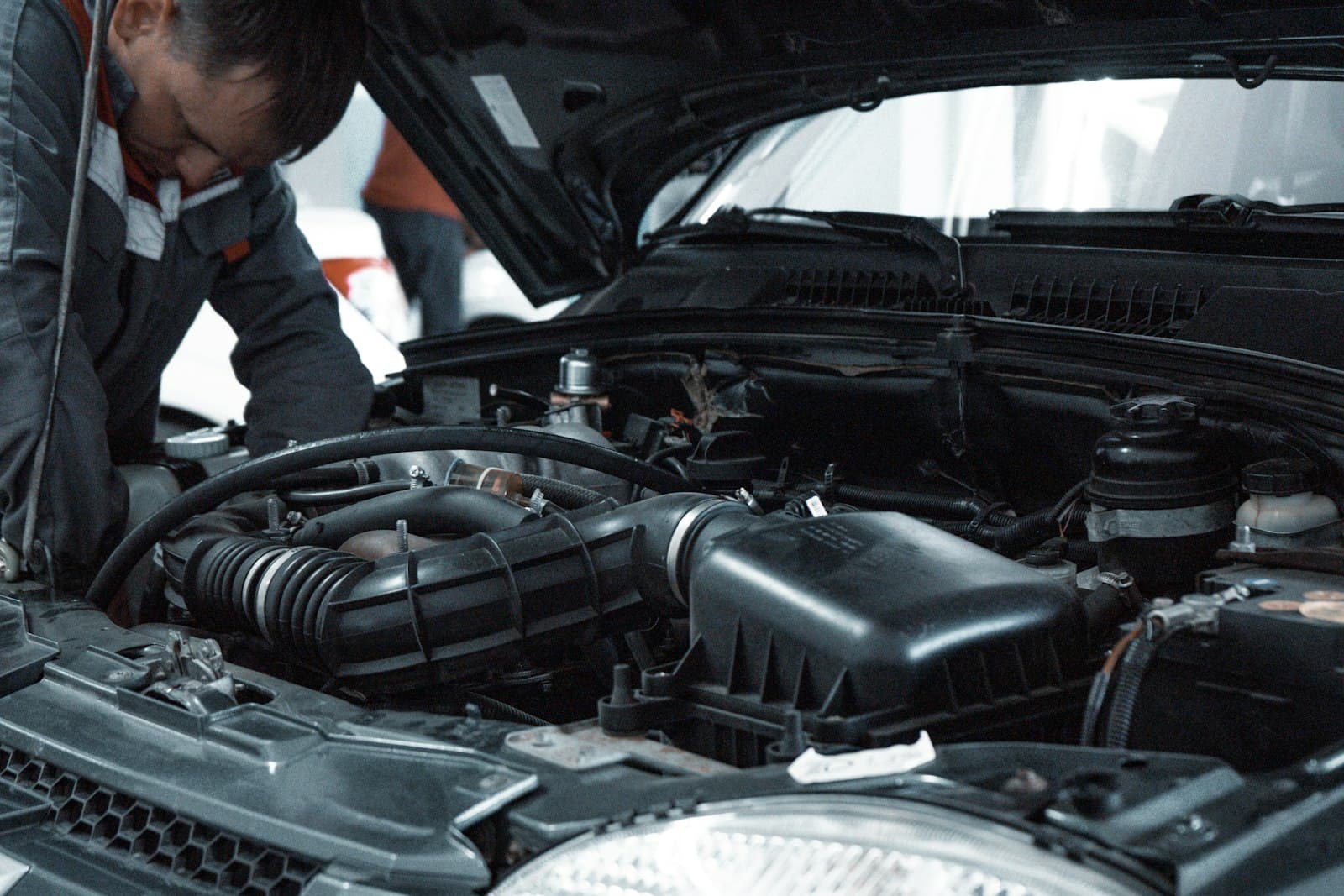
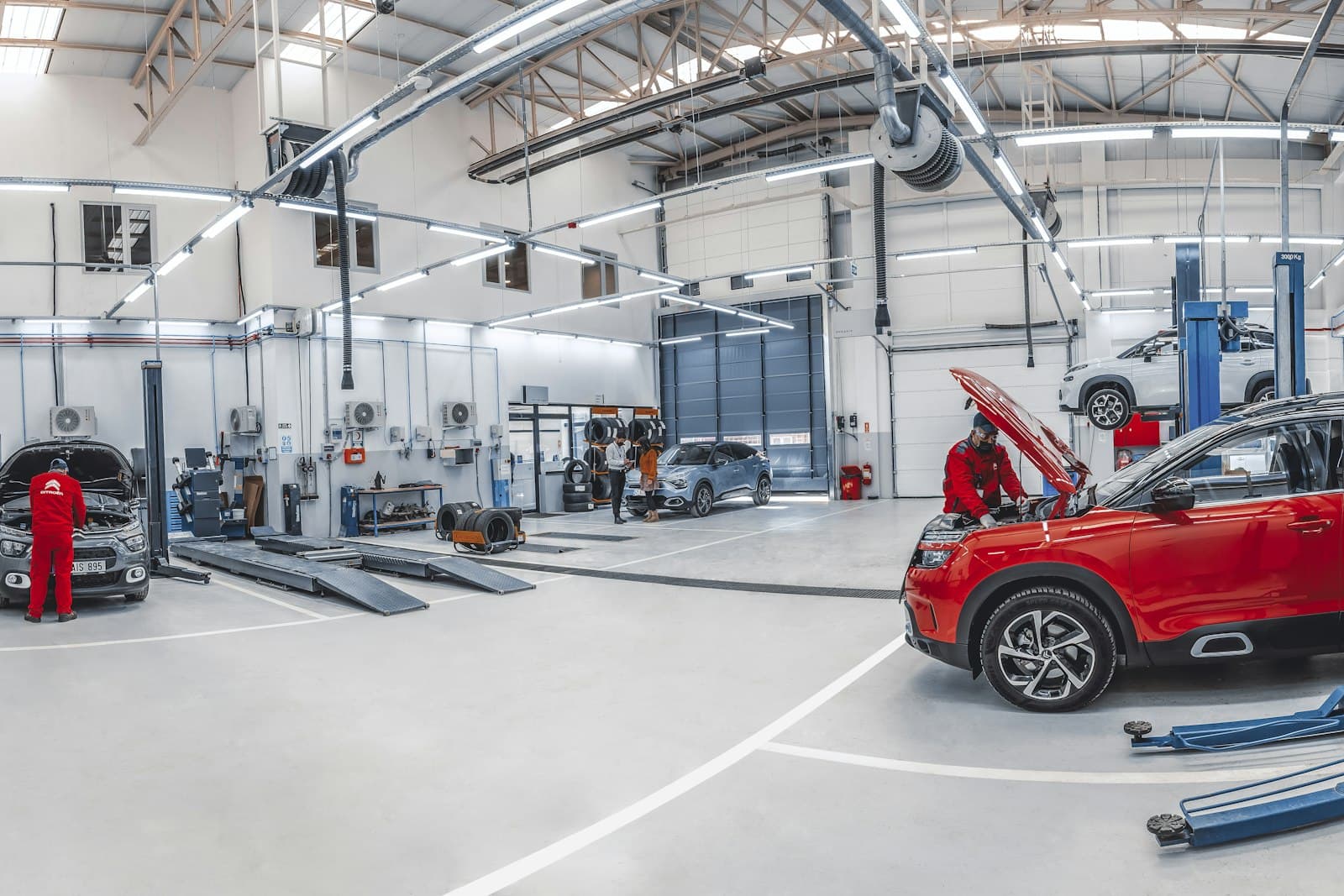
Your cameras already record when every car arrives, when the hood goes up and when it leaves. Here’s how to turn that footage into bay times, overstay alerts and better recommendations.
Insights
Practical guides for auto shops, car washes, HVAC, real estate, restaurants and consumer brands: AI call agents, cameras, reporting and marketing.

Your cameras already record when every car arrives, when the hood goes up and when it leaves. Here’s how to turn that footage into bay times, overstay alerts and better recommendations.


The car in for an oil change is often due for more. Here’s how pulling its Carfax history on arrival lets advisors recommend what’s genuinely due — and get a yes by text.

The phone rings hardest when every advisor is at the counter. Here’s what an AI call agent can take on for a shop, what it should hand to a person, and what its call reports tell you.

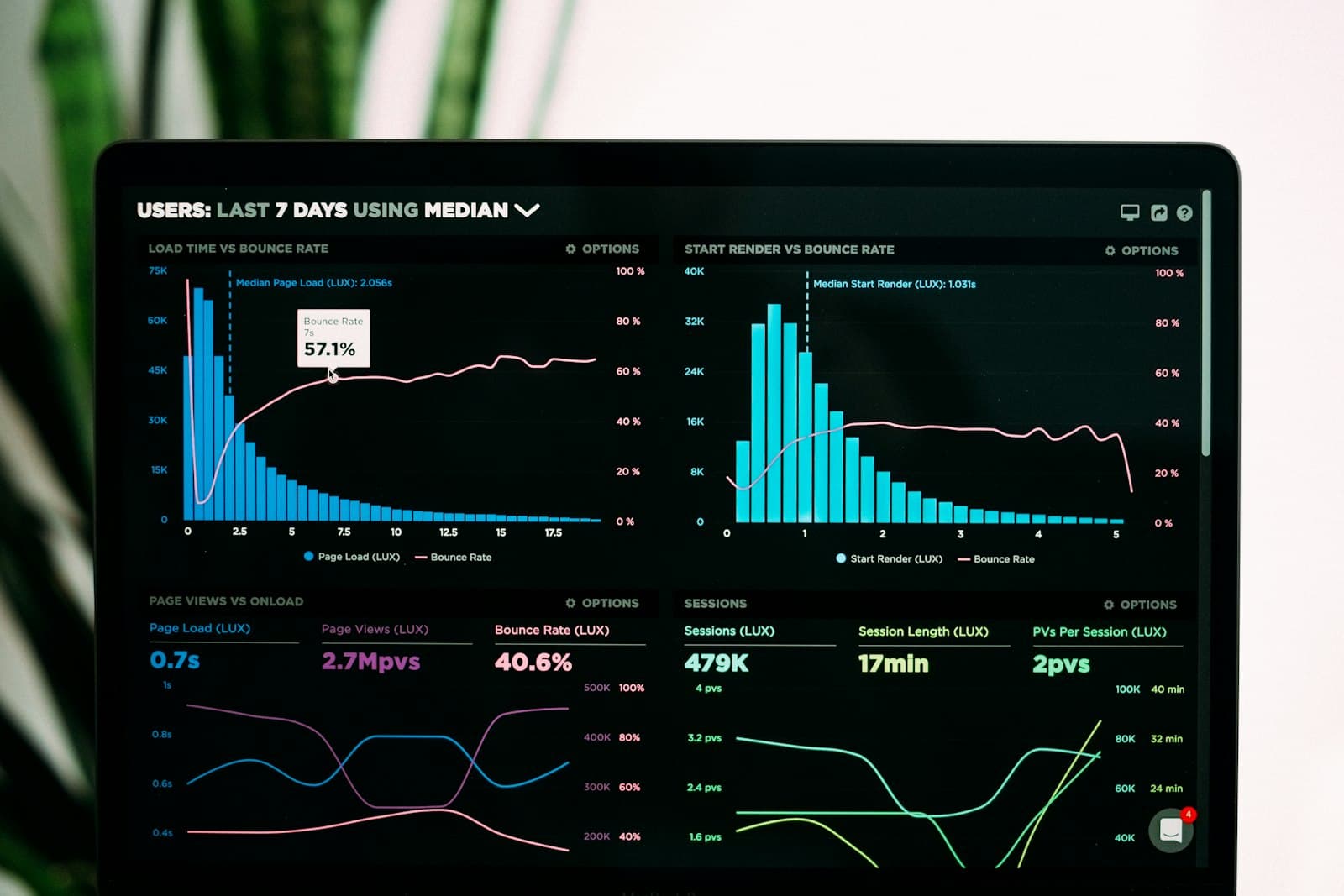
The numbers that tell you how your shop is really doing already exist in your POS and timeclock. Here’s what to report on daily — and how to stop pulling it by hand.

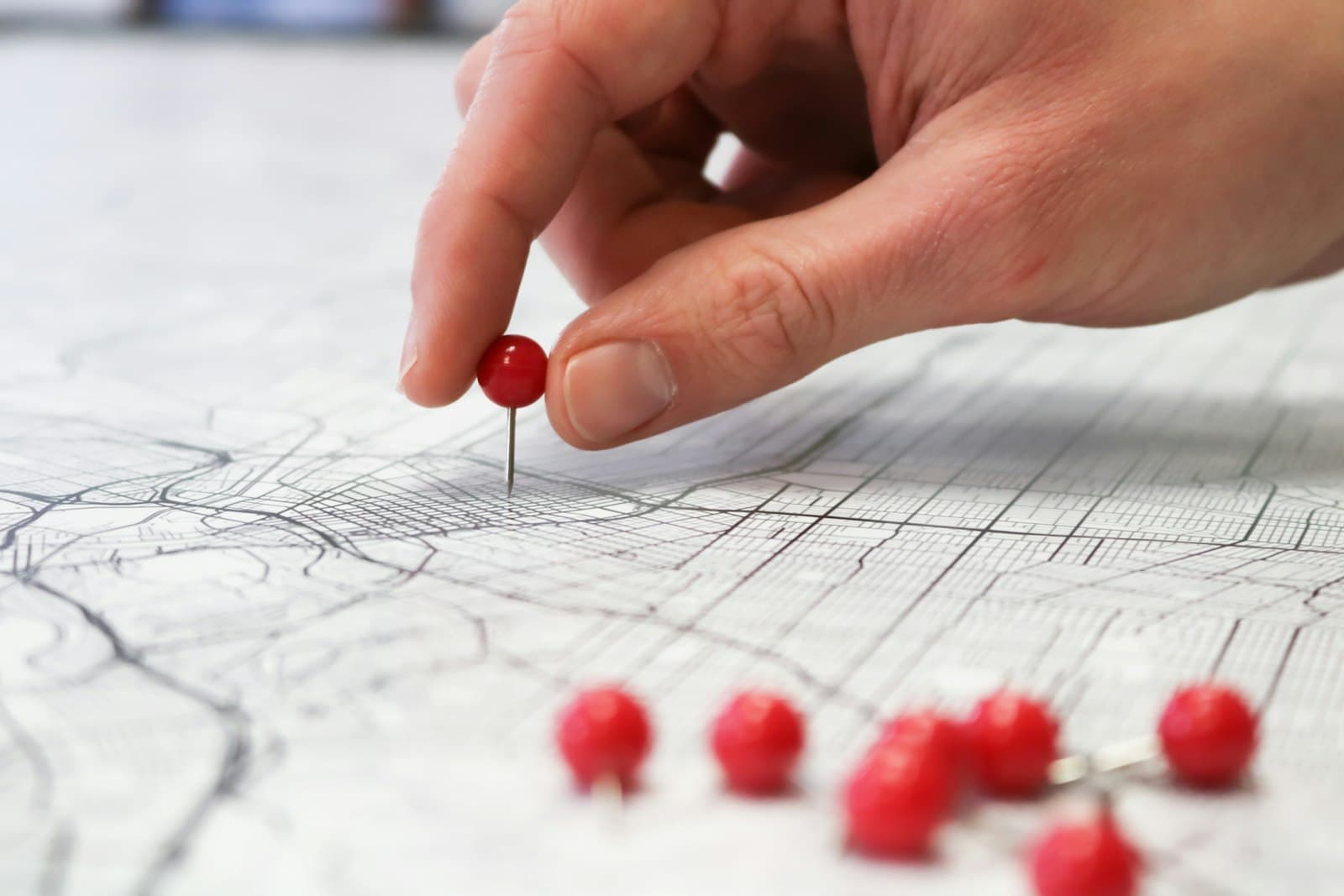
Your customer list is really a map. Here’s how seeing who came back and who didn’t helps a shop win back lapsed customers and reach the streets nearby that have never visited.

The best time to ask for a review is minutes after the customer drives away. Here’s how to ask every customer, hear about problems early, and keep up with replies across every store.

Nobody sits in the office at a tunnel wash, so the phone rings out. Here’s what an AI call agent can take on for a car wash, where it should hand off, and what the call log tells you.

Most washes already have cameras recording all day. Here’s what those feeds can report once something is reading them — plates, timing, throughput, members — and what they can’t.

Before the next mailer or discount, find out who actually washes with you, who has drifted away, and who has never come. Then win back the right people and measure it by the cars that return.

Chemicals, oil and water arrive as monthly bills that aren’t tied to the cars you washed. A reporting audit puts them per car, by site, so problems show up in days rather than months.

A homeowner with no heat doesn’t leave a voicemail — they call the next contractor. Here’s what an AI call agent handles for an HVAC company, and where it hands the call to a person.

The best list an HVAC company will ever have is already sitting in its field software. Here’s how to run campaigns from it — and see which ones actually booked jobs.

Every HVAC company has customers who quietly stopped calling. Win-back reporting shows who they are, where they live, who answered when you reached out, and what it earned.

Refrigerant that never reaches the invoice, parts that leave the truck unbilled, hours clocked but not sold. Here are the audits that catch them, and how to run them without a spreadsheet marathon.

Reviews are the most honest feedback an HVAC company gets, and most of them go unread. Here’s how to read every one, see the patterns, and reply without it eating your evenings.

Techs mean to ask for reviews and rarely do. Here’s how to send every customer a review request when the job closes, without gating, incentives or nagging.

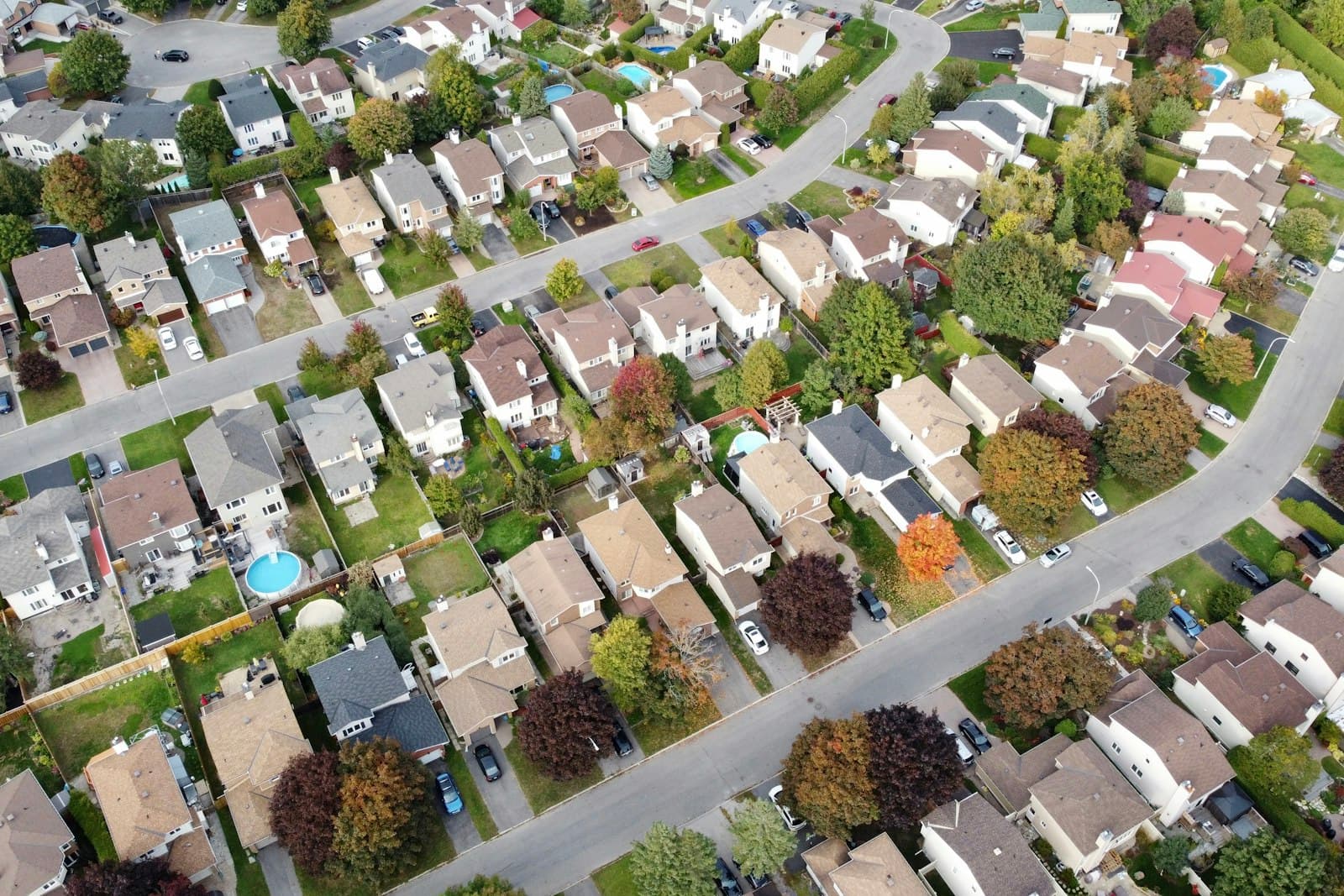
A lot of HVAC estimates start with “roughly how big is the house?” Here’s how looking up the property from its address gives your team better information before anyone gets in the van.

Estimates are where HVAC revenue is won or lost, and they’re often the slowest part of the sale. Here’s what can be automated, and what should stay with your team.

Most of an agent’s week is repeatable work that sits between the parts only a person can do. Here’s what can run on its own, stage by stage, and what should stay with you.

Your photographer already shot the house. We turn those stills into a reel that travels through the home like a drone pass, with a vertical cut for Instagram and TikTok.

We map the whole house into a 3D space buyers can move through room by room in a browser, with real dimensions — captured in one pass on a phone.

Most leads aren’t ready on the first call, and most follow-up stops long before they are. Here’s how we answer every enquiry fast and keep working it until it’s a yes or a no.

Listing proposals, paperwork checklists and transaction files are mostly assembly and chasing. Here’s how we take that on, while you review and send.

The phone rings hardest when nobody can reach it. Here’s what an AI call agent can handle for a restaurant, where it hands off, and how to start.

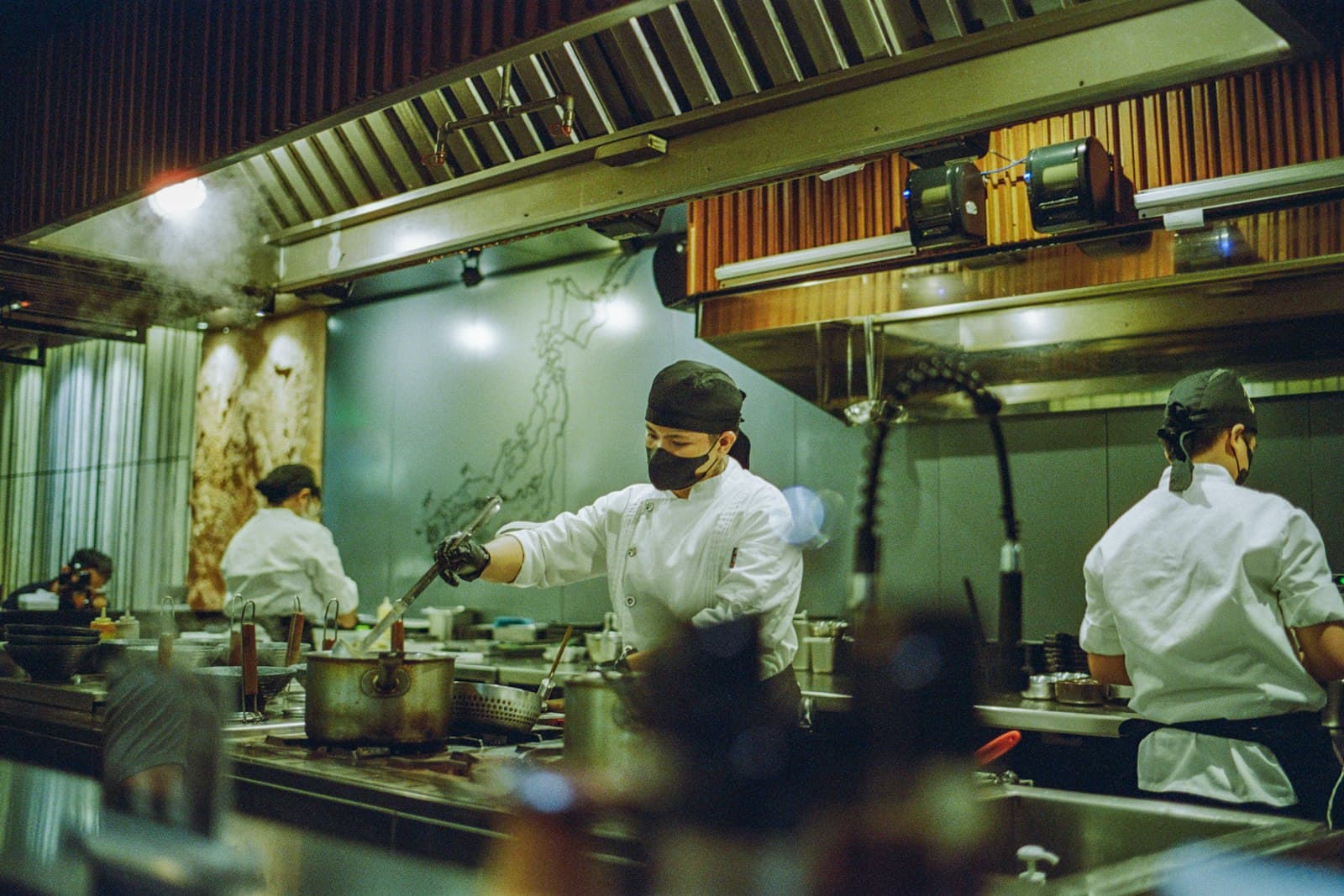
Most restaurants know roughly how long a table takes. Timing each stage — seated, cheque, cleared, reset — shows where the minutes actually go.

Food and labour usually show up in a monthly P&L, long after the week they went wrong. Here’s what to report daily and how to read it.

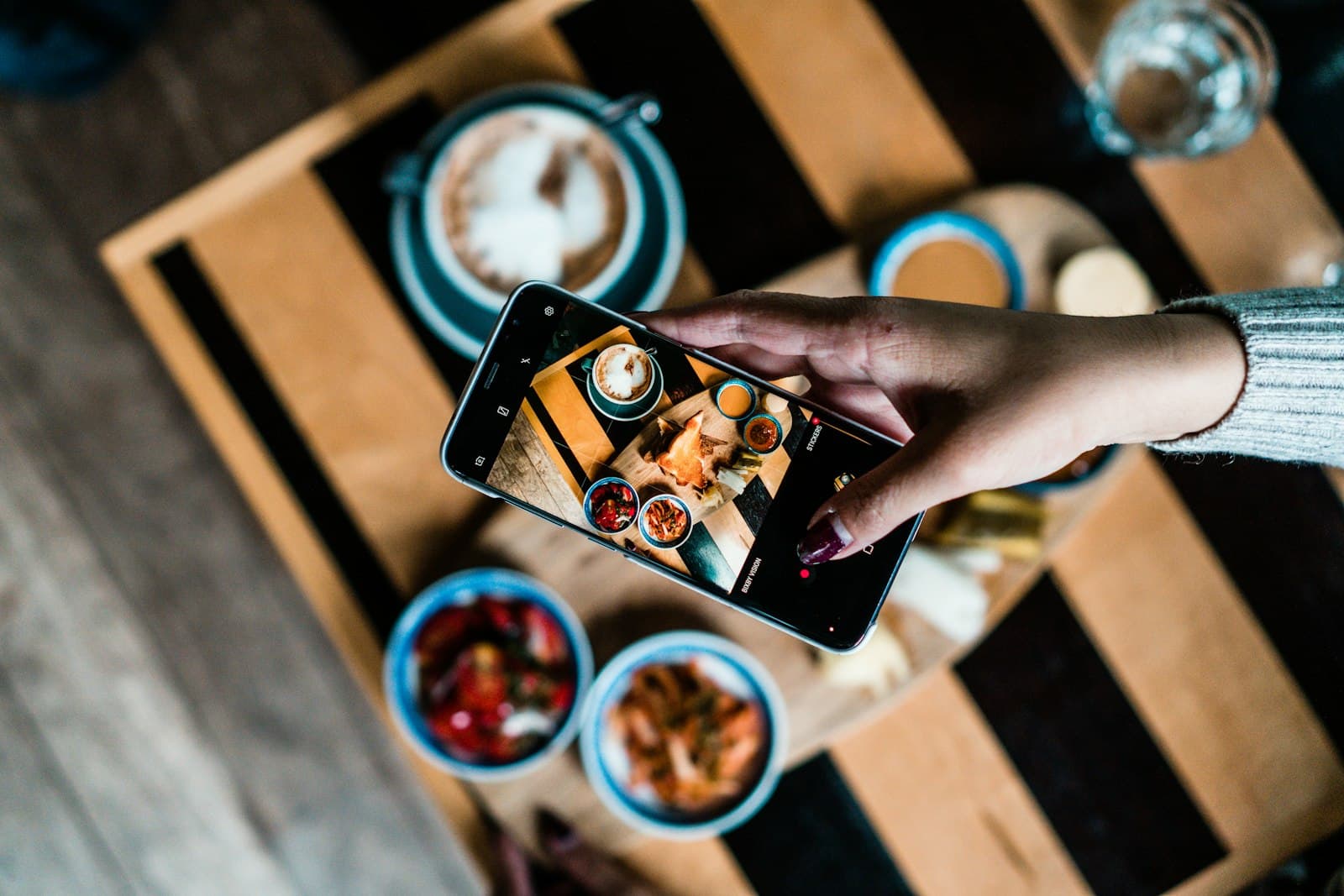
Guests point their phone at the table and see each dish sitting in front of them, swiping left and right between plates. Here’s how it works and where it helps.

Hundreds of guests eat with you every month and most restaurants can’t text one of them. Here’s how to build an opted-in list and use it well.

The product shoot is paid for and sitting in a folder. Here is how to turn it into every ad size a promotion needs, on brand, with your sign-off on each one.

Most product brands have a list they barely email. Here is how to automate the campaigns that list should be getting — and judge them by what they sold.

Sell-through, trade spend and margin usually arrive as a deck, weeks after the promotion ended. Here is how to get them every morning instead.