
The phone rings straight through service
At seven the host is seating, the line is ringing, and the table for six calling to book goes to the restaurant across the street instead.
AI agents that answer the line through service, take bookings by phone or by text, hold the covers you booked, time every table from seated to cleared, watch food and labour against sales, and read every review — so the floor runs on numbers instead of impressions.
I. The pains
The phone rings through service and nobody can reach it, the guests who did come leave numbers that never become a list, tables turn at a speed nobody has measured, and food and labour land in a monthly number long after anything could be done about them.
At seven the host is seating, the line is ringing, and the table for six calling to book goes to the restaurant across the street instead.
The book says two hours a table. Nothing records when the party was actually seated, when the cheque dropped, and how long the table sat dirty before the next party got it.
Four tables never arrive on a Saturday. Nobody confirmed them, the waitlist was never told, and the covers are gone with the seats sitting empty at peak.
Nobody reads every review at every location, let alone replies. The same complaint about the wait repeats for months and nobody can say which shift it belongs to.
Cost of goods against sales by item, voids and comps by server, labour hours against covers — all of it lands in a monthly P&L, long after the week it went wrong.
The couple who came every other Friday has not been in for two months. Nothing flags it, and the households that just moved in around you never hear from you at all.
Hundreds of people ate here last month and you cannot text one of them. The numbers came in over the phone, went onto a slip at the host stand, and never became a list you could send anything to.
The menu is a wall of text with photos shot three chefs ago. The plate is not what they pictured, so it goes back to the pass or into a review — and the table that spent ten minutes deciding is still deciding.
The food is finished at 9:04 and the table is still theirs at 9:22. Flag the server, wait for the machine, split it four ways, sign the screen — dead minutes at the end of every turn, on the busiest night of the week.
II. How ClickSide helps
Answers the line through service — reservations, to-go orders, hours, private events, and dietary questions — books straight into OpenTable, Resy, SevenRooms, or Tock, sends orders to Toast or Square, and reports call volume, topics, and what each call was really about.
Times every table from seated to cheque to cleared, reports covers per hour by section and daypart, and shows where the turn is actually lost — the bus time, the cheque drop, or the door.
Ties each booking to the guest’s visit history and spend, surfaces the preferences and allergies your team already recorded before they sit, and flags the regular whose visits have quietly stopped.
Reads every review across every location, drafts the reply for you to approve or posts it automatically, tags the location and the shift it belongs to, and separates a food complaint from a service one.
Cost of goods against sales by item, voids and comps by server and by shift, discount use, labour hours against covers, table turn by section and daypart, no-show rate by booking source, and waste against prep — built to your rooms, not to a template.
Collects a mobile number from every call, booking, and to-go order and builds an opted-in list segmented by location, visit history, and time since the last visit — regulars who have gone quiet and households that just moved in nearby included. Blast the night’s offer, a new menu, or a slow-Tuesday fill, back it with postcards and Reels, and see the covers each send actually booked.
Guests reply and the agent handles it — answers the question, moves the time, or books the table straight from the thread into OpenTable, Resy, SevenRooms, or Tock. Every conversation lands in one dashboard: what the agent said, what the guest replied, and when. Filter it by campaign, location, or guest, and take over any thread yourself.
We keep your menu cards current with fresh photography of the plates as they actually leave the pass, and put a QR code on the card — printed or digital — that stands each dish up in augmented reality on the guest’s own table. They order what they pictured, so fewer plates come back, less food is wasted, and the order goes in faster.
Your regulars save a card once, in your app or on the platform they book through, and after that they sit, order, and leave. The cheque closes itself against the card on file, the receipt and tip prompt go out by text, and the table is free the moment they stand up rather than eleven minutes later.
III. Example flows
Flow 01
ClickSide connects your phone line, SMS, reservation book, menu, POS, and floor so every cover is held, timed, and accounted for by the end of service.
One booking. One service. Dozens of signals. ClickSide reads what is happening across the room in real time and turns it into covers you can see.
SMS campaigns
Every number the agent collected on a call, a booking, or a to-go order is already an opted-in list. Tonight’s offer goes to the segment you picked while the kitchen is still prepping.
Two-way SMS
A reply is a conversation, not a dead end. The agent answers it and books the table into the book, and the whole thread — what it said, what they said, and when — sits in the dashboard for you to read.
AI call handling
Nobody is at the host stand yet. The agent takes the booking, reads back the party size and time, and writes it into the book.
Automated communications
Every booking is confirmed hours ahead, and the ones that cannot make it release their table while there is still time to refill it.
Floor intelligence
The party is seated and the clock starts, so the turn is a measured number rather than a feel at the end of the night.
 Dining roomSeated·7:28:36 PM
Menu cards & AR
The menu reaches the table, printed or on the phone, and a QR code on the card stands each dish up in augmented reality right where the plate will land. Nobody orders blind — fewer plates come back, less food is wasted, and the order goes in faster, which is minutes back on the turn.
Kitchen timing
Ticket times are tracked from fire to pass, so a slow course shows up as a number on the shift rather than a complaint in a review.
 The passPlating·8:04:22 PM
Card on file
No flagging anyone down, no machine, no splitting it four ways. The cheque closes itself against the card the guest saved in your app, the receipt goes out by text, and the table is free while they are still putting their coats on.
Table timers
Cheque, clear, and reset are each timed, so the minutes lost between parties are visible while the section is still running.
Guest intelligence
The guests whose pattern has broken are pulled out of the POS history and put in front of you as a list, not a report.
Regulars gone quiet
Reporting & audits
The night closes out end to end — covers against the book, cost of goods against sales, voids and comps by server, and labour against the covers actually served.
Today’s outcome
Yes — bookings, guest records, cheque and transaction data, and call summaries sync with systems like Toast and Square on the POS side and OpenTable, Resy, SevenRooms, and Tock on the reservation side, so your host stand keeps working where it always has.
Yes. It takes the order, reads it back, prices it from your live menu, handles the common substitutions you allow, and drops the ticket into Toast or Square. Anything unusual — a large catering order or a complicated allergy — goes to a person rather than being guessed at.
Yes. We reshoot your plates as they actually leave the pass and lay the cards out properly, printed or digital, so the menu looks like the food does. Each dish carries a QR code the guest scans once they sit down, which stands that dish up in augmented reality at real size on the table in front of them. Guests order what they pictured, so fewer plates come back, less food is wasted, and tables decide faster — which shows up in the turn.
Yes — that is the point. A regular saves a card once, in your app or on the platform they book through, and from then on they sit, order, and go. The cheque closes itself against that card when the table is marked done, and the receipt and tip prompt go out by text, so nobody waits on a machine at the end of the meal. It is opt-in per guest, the card is held by your payment processor rather than by us, and the guest can change or remove it wherever they saved it.
Seated, cheque dropped, cleared, and reset are each stamped, so a turn is broken into the parts you can act on. Most rooms find the loss is not the meal at all — it is the minutes between the cheque and the next party sitting down.
Every report is built to your rooms — if you can define it, we can report it. What we run for other operators: cost of goods against sales by item; voids, comps, and discounts by server and by shift; labour hours and cost per cover; table turn by section and daypart; covers against the book by hour; no-show rate by booking source; ticket times from fire to pass; and waste against prep.
It confirms every booking ahead of service and gives the guest a one-tap way to release the table. The ones that release go straight to the waitlist while there is still time to refill them, and no-show rate gets reported by booking source so you can see which channel actually shows up.
Both. Every review at every location is read and classified — food, service, wait, or value, and which shift it belongs to — and we draft the reply for you to approve, or post it for you if you would rather not touch it.
Yes. A mobile number is captured on every call, booking, and to-go order — with consent and a one-word opt-out handled for you — and built into a list you can segment by location, visit history, or how long it has been since the last visit. Send the night’s offer, a new menu, or a slow-Tuesday fill, and every send reports the covers it booked rather than the opens it got.
Both. Guests reply to any message and the agent takes it from there — answers the question, changes the party size, or books the table straight into OpenTable, Resy, SevenRooms, or Tock. Every thread sits in one dashboard showing what the agent said, what the guest replied, and when, filterable by campaign, location, or guest. You can read any conversation, or step in and take it over at any point.
Every offer, SMS, and mailer is tied back to the covers booked after it, so a campaign reports what it returned instead of what it cost. The targeting runs both ways — regulars who have gone quiet, and the households that just moved in nearby.
The moment the agreement is signed we book an onboarding call and take in everything we need — your menu and pricing, floor plan and section rules, POS and reservation credentials, and the thresholds you want flagged. Most restaurants are live about 10 days from that kickoff.
V. From the blog
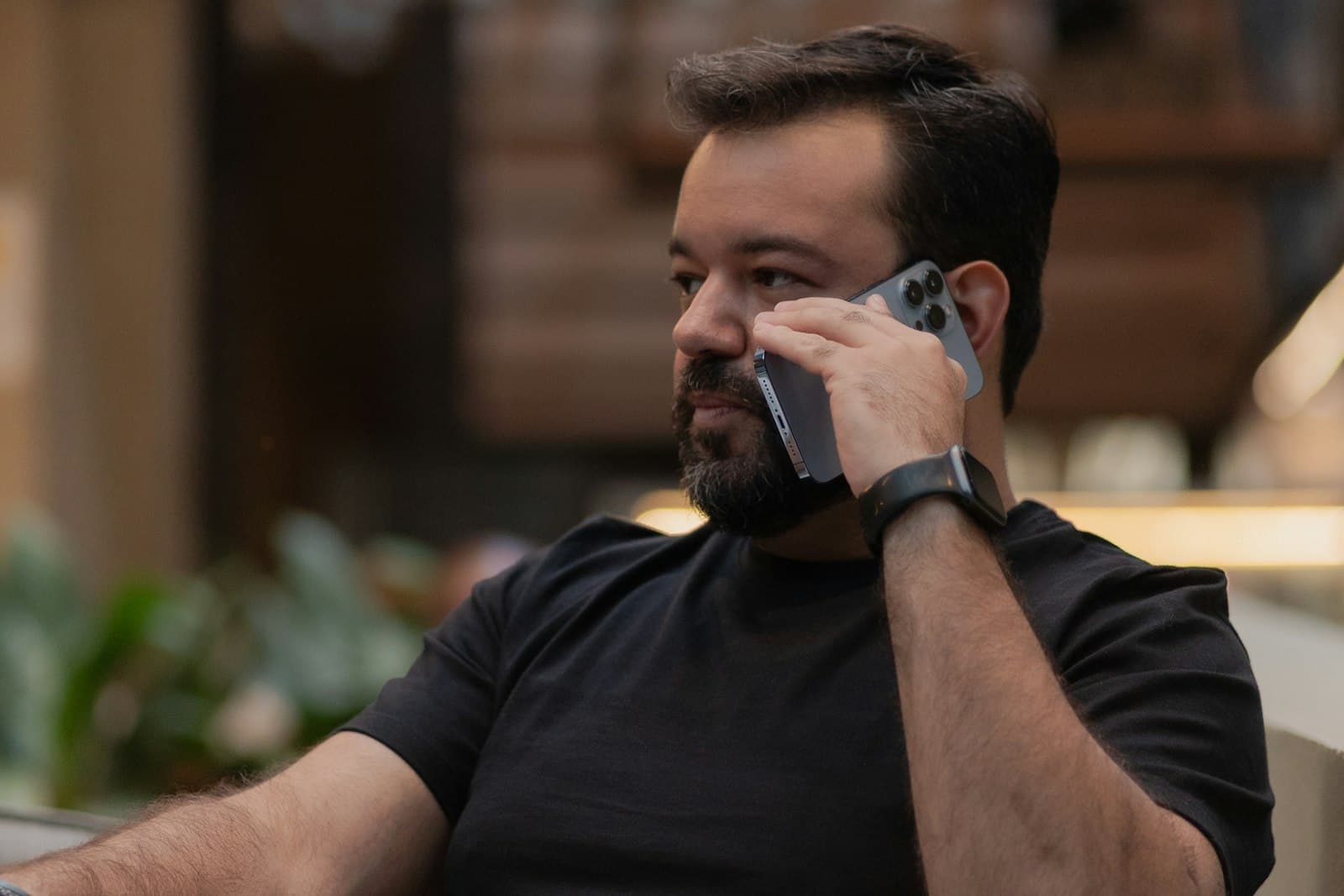
The phone rings hardest when nobody can reach it. Here’s what an AI call agent can handle for a restaurant, where it hands off, and how to start.

Most restaurants know roughly how long a table takes. Timing each stage — seated, cheque, cleared, reset — shows where the minutes actually go.
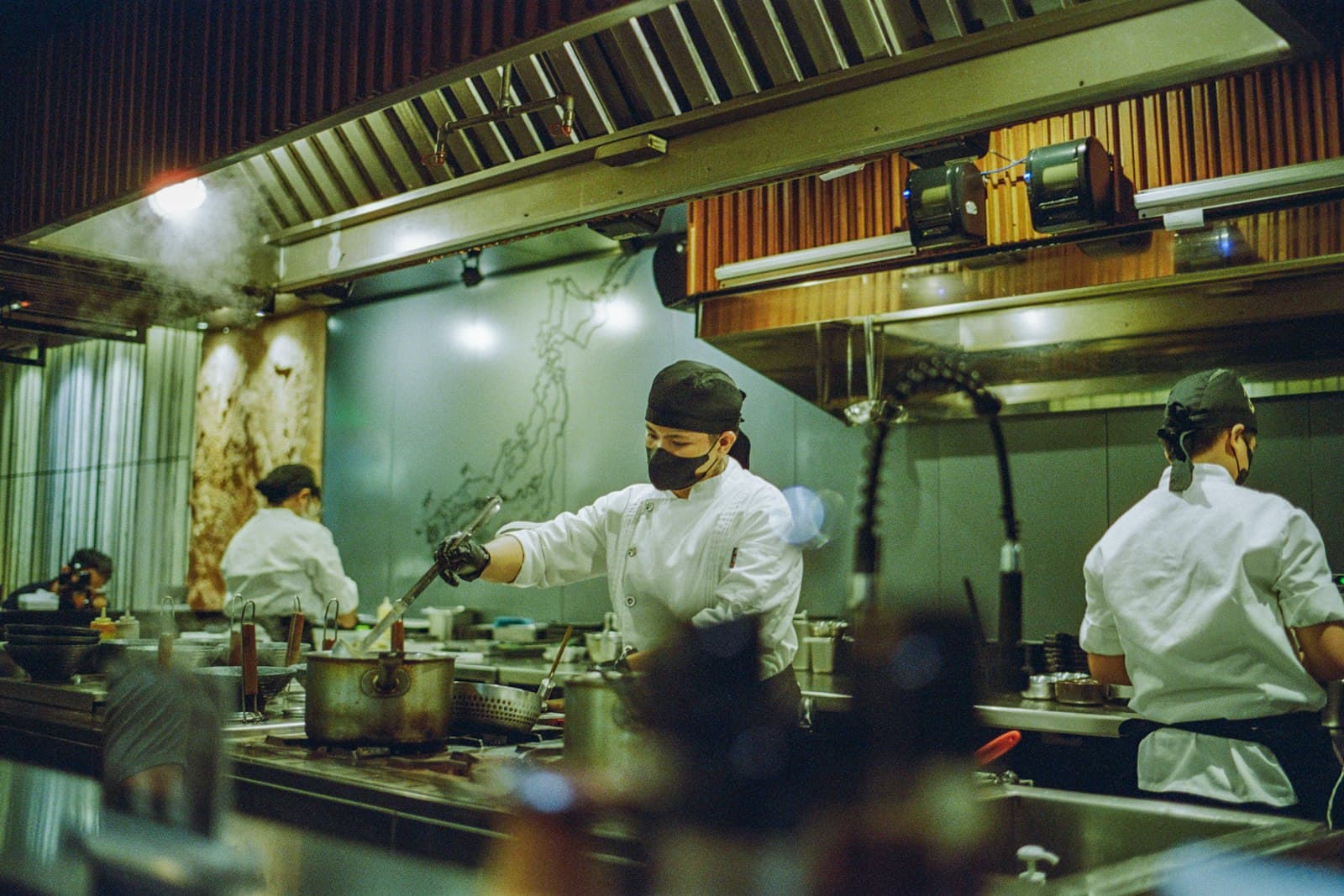
Food and labour usually show up in a monthly P&L, long after the week they went wrong. Here’s what to report daily and how to read it.
Ready when you are
Connect your calls, texts, reservation book, menu, floor timing, reviews, and POS into one operation you can actually see.
See ClickSide in action