
AI phone answering for restaurants: an agent that picks up during service
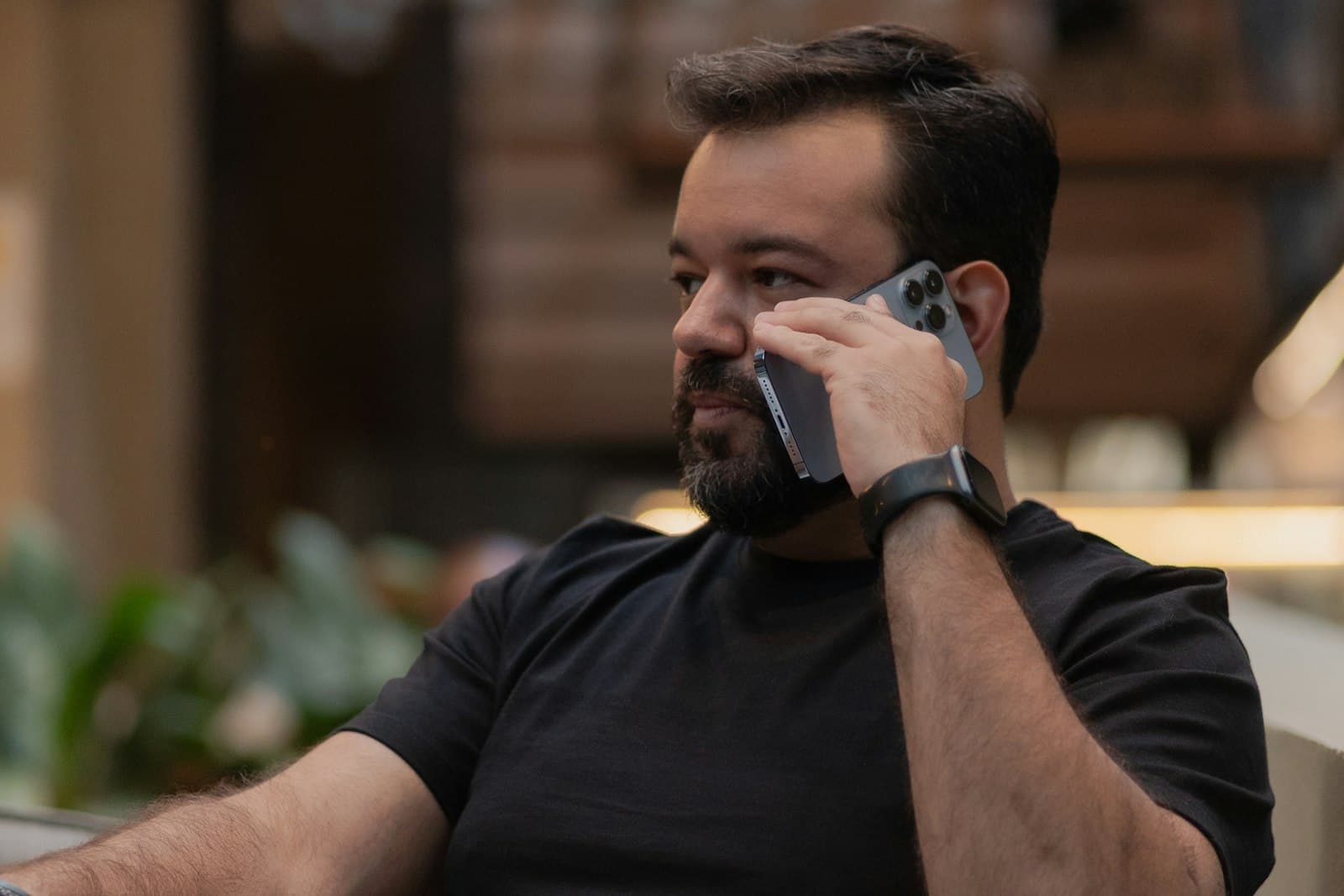
The case for AI phone answering in restaurants starts at seven on a Friday. The host is seating a party of eight, a server needs a table moved, and the phone behind the stand has been ringing for a while. Whoever is calling wants a table for four tomorrow, or wants to order two pizzas for pickup, or wants to know whether the kitchen can do gluten-free. If nobody picks up, most of them don’t leave a message. They call the next place.
An AI call agent is a direct answer to that. It answers the line in a natural voice, understands what the caller wants, and does something about it. This post covers what that looks like in a restaurant specifically — what it should take, what it shouldn’t, and how to put one in without making your regulars feel processed.
What the calls actually are
If you listened to a week of calls at most restaurants, you would hear the same handful of things over and over:
- Booking, moving or cancelling a table.
- Placing a to-go order.
- Hours, parking, whether you take walk-ins, whether there’s a patio.
- Dietary and allergy questions — “is the risotto vegetarian?”
- Private events and large parties.
Almost all of these have a known answer or a known process. They don’t need your best host — they need someone who is always free to pick up.
Reservations go straight into the book
An agent that only takes a message has moved the problem, not solved it. The useful version reads your real availability and writes the booking into the system you already use — OpenTable, Resy, SevenRooms or Tock — so the host stand keeps working exactly where it always has. It reads back the party size and time, takes a mobile number, and the guest gets a confirmation by text.
Because the booking lands in your book with a name and number, it can be tied to that guest’s visit history and any notes your team already recorded — the nut allergy, the booth they like. That is what Guest Intelligence builds on.
To-go orders priced from the live menu
Phone orders are where mistakes are expensive: a wrong item, a forgotten modifier, a price that changed last month. The agent takes the order, reads it back, prices it from your live menu, handles the common substitutions you allow, and drops the ticket into Toast or Square. The kitchen sees it the same way it sees every other order.
You decide what counts as unusual. A large catering order or a complicated allergy should go to a person rather than be guessed at, and a good agent knows to say so.
Where a person should take over
We set hand-off rules with every restaurant before the agent takes a single call. Usually that means:
- Serious allergies, where a wrong answer can hurt someone.
- Complaints about a visit. The agent takes the details and gets a manager on a call back.
- Private events and buyouts that need a conversation about pricing and minimums.
- Anyone who asks for a person. They should always be able to reach one.
The point isn’t to take people off the phone. It’s to make sure the calls that reach your team are the ones that need them.
What you learn from the calls
Every call is transcribed and summarised, so you get something the host stand never produced: a record of what people call about, and when. If a third of Tuesday calls are asking whether you’re open for lunch, that’s a website fix. If people keep asking about a dish you took off, that’s worth knowing too. The numbers collected on calls can also become the start of an opted-in guest list — more on that in our post on SMS marketing for restaurants.
How restaurants can start with AI phone answering
- Begin with overflow and after-hours: the agent answers only when nobody else can, so every call it takes is one you’d otherwise have missed.
- Write down your real answers — hours, policies, corkage, large-party rules, the questions your hosts answer every night.
- Connect the reservation book first, then the POS for to-go orders.
- Read the transcripts weekly for the first month and fix anything it got wrong.
- Once you trust it, let it answer first ring during service.
The short version
The phone rings hardest exactly when your team has the least time for it. An agent that books into your book and sends orders to your POS means that ringing stops costing you covers. You can see how it fits with the rest of the floor on our AI Call Agent section for restaurants, and see where the rest of the night’s minutes go in our post on table turn times.
Common questions
How does AI phone answering for restaurants work?
An AI call agent answers the line in a natural voice, understands what the caller wants and does something about it — booking, moving or cancelling a table, taking a to-go order, or answering questions about hours, parking and dietary needs. Calls that need a person, like serious allergies or complaints, are handed off under rules you set before it takes a single call.
Does AI phone answering work with OpenTable or Resy?
Yes. It reads your real availability and writes bookings into the system you already use — OpenTable, Resy, SevenRooms or Tock — and sends to-go orders to Toast or Square. The host stand and the kitchen keep working exactly where they always have.
Can callers still reach a person at the restaurant?
Yes. Anyone who asks for a person should always be able to reach one, and that’s one of the hand-off rules agreed before the agent goes live. Complaints, serious allergies, and private events that need a conversation about pricing go to your team too.