
An AI answering service for your car wash: what it handles and hands back
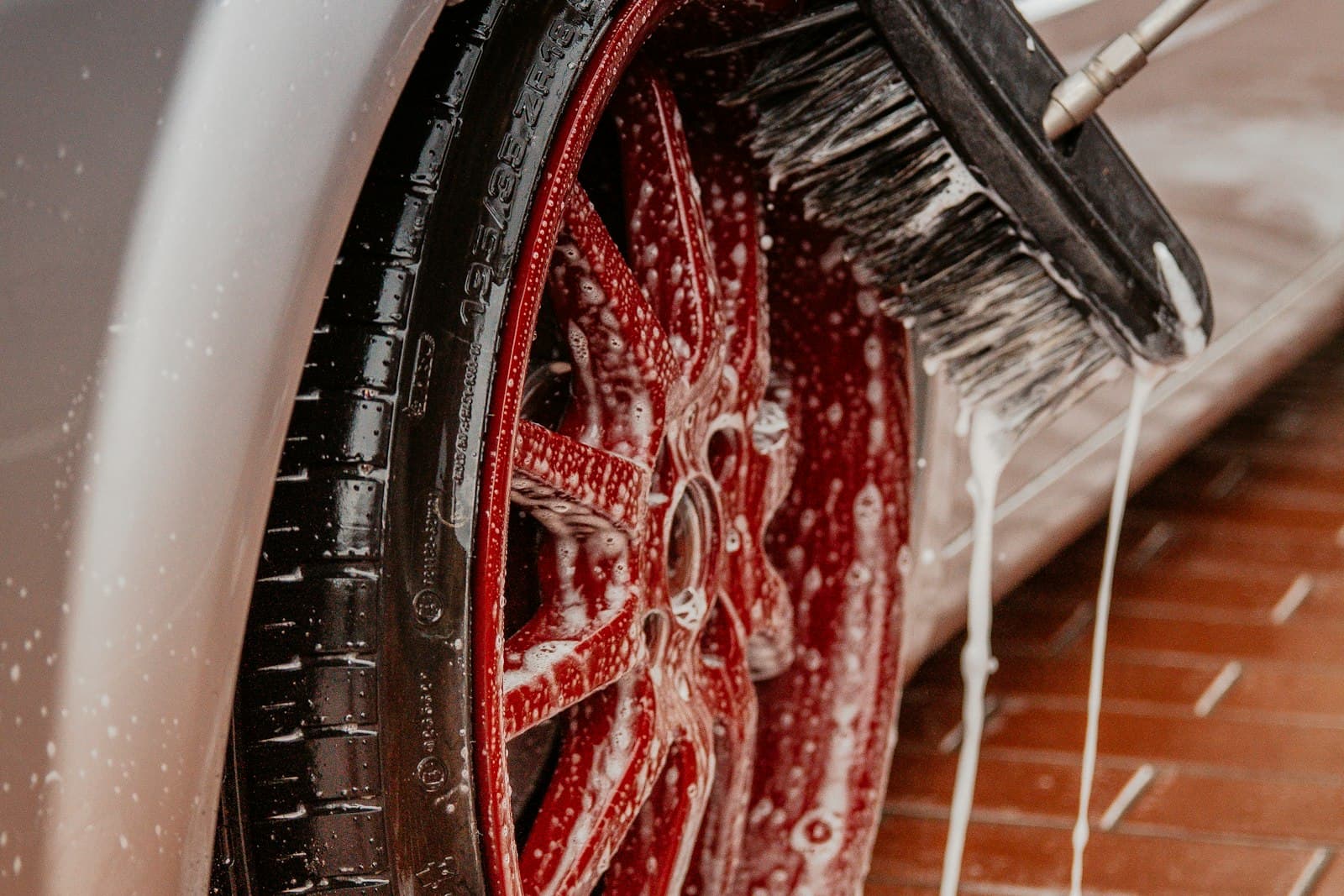
At an express tunnel, everyone who could answer the phone is outside, which is why so many operators end up looking for a car wash answering service. One person is loading cars, one is on the vacuums, the manager is fixing a brush or talking to a member at the pay station. The phone in the office rings, rings again, and goes to voicemail. Most operators know this happens. Few know how often, or what those calls were about.
An AI call agent is a direct answer to that. It picks up the wash line every time, day or night, talks to the caller in plain language, and either deals with the request or passes it to the right person with the details already written down. This post covers what it does well at a car wash, where it should step aside, and what you learn from the calls themselves.
Why the wash line matters more than it looks
Car wash calls aren’t usually sales calls, so it’s easy to treat them as noise. But the calls that go unanswered tend to be the ones with money attached. A member who wants to cancel and can’t reach anyone may do it through their bank instead — a chargeback costs you more than the cancellation would have. A driver who thinks the tunnel scratched a mirror and gets voicemail is now writing a review rather than talking to you. A fleet manager asking about an account for twelve vans calls the next wash on the list.
What a car wash answering service should handle
The agent works from your real information — your menu, plan pricing, hours, policies — and, where it’s connected, your POS. The calls it suits are the ones your team answers the same way every day:
- Hours, location, the wash menu and what each package includes, and whether the tunnel is open when the weather turns.
- Unlimited plan questions — what each plan costs, how to upgrade or downgrade, how to move a plan to a new car.
- Holds and cancellations, handled the way your policy says, so a member who wants out can get out without a fight — and without a chargeback.
- Billing questions, such as why a card was charged on a particular date.
- Fleet and business account enquiries, taken down properly and passed to whoever sets those up.
- Damage claims: the agent takes the plate, the time of the wash, the site and a description of the damage, and logs it for the manager rather than arguing it on the phone.
On cancellations, it’s worth being clear about the goal. The agent can mention an option your policy already allows — a hold for the winter, a cheaper plan — but it shouldn’t make cancelling hard. A member who feels trapped is the member who disputes the charge. One who leaves on good terms can still be reached later by a win-back campaign aimed at recently cancelled members.
Where it hands off to a person
You set the rules for when a person takes over. For a wash, we usually start with:
- Anyone upset or angry. The agent acknowledges the problem, takes the details, and gets the manager a call-back request straight away.
- Damage claims that need a decision. The agent collects the facts; a person decides what happens next.
- Refunds or credits outside your written policy.
- Anything about safety — someone hurt on site, equipment that looks dangerous.
- Anyone who asks for a person. They should always be able to reach one.
What the call log tells you
Every call is transcribed and summarised, which gives you something a wash rarely has: a record of why people call. The report shows call volume by hour and by site, the topics that come up most, how long calls run, and what each one was really about — not just “billing” but “charged twice after changing plan.”
That record tends to point at problems elsewhere. Say one site gets a steady trickle of calls about the free vacuums being out of order. Or several members call in the same week confused by a price change. Or damage calls keep naming the same time of day. None of those are phone problems, but the phone is where they show up first. Pair the call log with what your tunnel cameras see, and a damage claim can be checked against the footage of that plate going through.
How to start
- Write down the real answers: hours, menu, plan prices, your hold and cancellation policy, and how you handle damage claims.
- Start with after-hours and overflow, so every call the agent takes is one that would have gone to voicemail.
- Connect your POS — DRB SiteWatch or Patheon, Washify, ICS, AMP or whichever you run — so the agent can see a member’s plan instead of guessing.
- Read the transcripts weekly for the first month. Fix wrong answers, add missing ones, tighten the hand-off rules.
- Once you trust it, let it answer first during the day too.
The short version
An AI call agent won’t make a car wash run differently on the lot. What it does is make sure the phone stops being the place where members, fleet accounts and damage claims quietly fall through. You can see how it fits with the rest of the system on our car wash page.
Common questions
Can an AI answering service handle car wash membership cancellations?
Yes, the way your written policy says. It can mention an option your policy already allows, such as a winter hold or a cheaper plan, but it shouldn’t make cancelling hard. Refunds or credits outside your policy go to a person.
Will it work with DRB SiteWatch or Washify?
Yes. Connecting your POS — DRB SiteWatch or Patheon, Washify, ICS, AMP or whichever you run — lets the agent see a member’s plan instead of guessing. Without that connection it still answers from your menu, plan pricing, hours and policies.
What happens when someone calls about damage from the wash?
The agent takes the plate, the time of the wash, the site and a description of the damage, and logs it for the manager rather than arguing it on the phone. A person decides what happens next. If you use tunnel cameras, the claim can be checked against the footage of that plate going through.