
Car wash license plate recognition: what your cameras can tell you
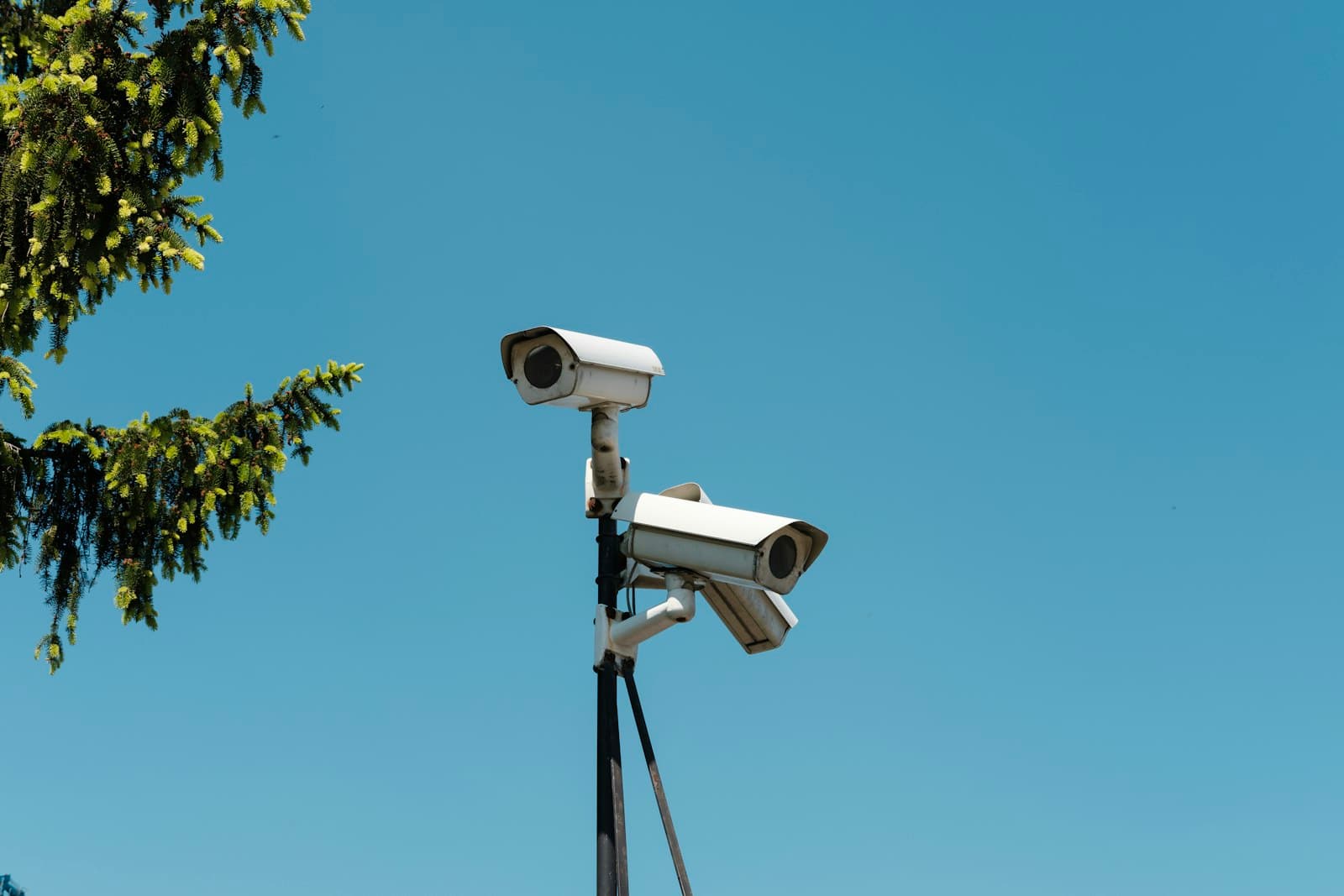
Almost every tunnel wash has cameras; far fewer have car wash license plate recognition running on them. The cameras record the entry, the conveyor, the exit and the lot all day, and the footage gets looked at maybe twice a month — when a customer says the brushes took a mirror off, or when something goes missing. The rest of the time, hours of useful information are recorded and overwritten.
Camera intelligence means putting software on those feeds that reads them continuously and turns what it sees into numbers you can act on. Here’s what that covers at a wash, and where its limits are.
Usually no new cameras
In most cases the AI runs on the CCTV you already have. The one common addition is a camera at the entry angled so plates read cleanly at speed; sometimes an existing camera just needs re-angling. We look at your feeds before saying which.
Car wash license plate recognition at the entry
The entry camera reads each plate as the car loads onto the conveyor and stamps the time. On its own that’s a log. Matched against your POS — DRB SiteWatch or Patheon, Washify, ICS, AMP and the like — it becomes far more useful: each plate is tied to an account, so you know whether that car is a member, which plan it’s on, and how often it usually comes in.
That match is what most of the other reports are built on. It’s how a member who has gone quiet gets noticed, and how a single-wash customer who now visits often enough to be offered a plan gets spotted.
Timing every car, and the real cars per hour
Your tunnel controller — Sonny’s CarWash Controls, TunnelWatch or another — counts cars. What it doesn’t show is the space between them. The cameras time each car from load to exit, so you can see true cars per hour, hour by hour, against what the conveyor can actually carry.
The gap between the two is where the useful questions are. Is the loading slow on Saturday mornings because one attendant is guiding every car by hand? Is the conveyor stopping for a few seconds several times an hour? Say your conveyor could carry far more cars at peak than you actually washed — the camera data shows whether that lost capacity was a queue that never formed or a queue that formed and waited at the loader.
Stops and downtime
Every time the tunnel stops, the cameras see it. That gives you a log of stops with times and durations, which you can line up against what the controller recorded and what the staff said happened. Downtime and its causes then feed into the reporting audit rather than living in someone’s memory.
Damage risks before the brushes
At the entry, the camera can flag vehicles with roof racks, hitches and similar add-ons before they reach the brushes, so the attendant can decide what to do with them. And when a damage claim does come in, you can pull up the footage of that exact plate going through instead of searching hours of video.
Member checks
Plate reads also catch things that otherwise slip through:
- One plan being read on two different plates.
- The same plate showing up at two sites within minutes.
- Free washes or manager overrides clustering around one employee.
These get flagged for a person to look at, not acted on automatically. There are innocent explanations for most of them, and a human should make the call.
Vacuums and the lot
Cameras over the vacuum area show how busy the bays are through the day — useful when deciding whether to add bays, change the layout, or move staff. Lot cameras show how the queue builds and whether cars are leaving the line before they reach the pay station.
What cameras can’t do
Plates that are dirty, damaged, missing or covered won’t read every time, and lighting and weather affect the read rate, which is why camera placement matters. The cameras also can’t tell you why something happened — only that it did. A slow hour is a fact; the reason is still something your manager has to find out. And the footage should be handled like any other customer data, with access limited to the people who need it.
Where it leads
The cameras are the source; the value is in what you do with the reads. Plate data feeds member retention and win-back campaigns, timing data feeds staffing and throughput decisions, and stop data feeds maintenance. You can see how the pieces connect on the camera and tunnel intelligence section of our car wash page.
Common questions
Do I need new cameras for license plate recognition at my car wash?
Usually not. In most cases the AI runs on the CCTV you already have. The one common addition is a camera at the entry angled so plates read cleanly at speed, and sometimes an existing camera just needs re-angling — which one depends on your feeds.
Does car wash license plate recognition work with my POS?
Yes. Each plate read is matched against your POS — DRB SiteWatch or Patheon, Washify, ICS, AMP and the like — so the car is tied to an account. That tells you whether it’s a member, which plan it’s on and how often it usually comes in.
Will it read every plate?
No. Plates that are dirty, damaged, missing or covered won’t read every time, and lighting and weather affect the read rate. That’s why camera placement matters, and why flagged matches go to a person to check rather than being acted on automatically.