
The numbers arrive as a deck, a month late
Sell-through by retailer, trade spend against the lift it bought, margin by SKU after allowances — all of it lands in a monthly review, long after the promotion ran and the quarter moved.
AI agents for brands with a catalogue to run — daily reporting on sell-through, trade spend, and margin by SKU and by retailer; the buyer, broker, and consumer inboxes answered and routed; and finished ads built from the product photography you already have — so nothing waits on a monthly deck or an agency queue.
I. The pains
The numbers arrive as a deck a month after the quarter moved, the buyer and broker emails sit behind everything else in a shared inbox, and the product photography you paid for never becomes an ad while the promotion is still running.
Sell-through by retailer, trade spend against the lift it bought, margin by SKU after allowances — all of it lands in a monthly review, long after the promotion ran and the quarter moved.
A SKU goes dark at thirty-four stores in one chain and the first anyone hears of it is a short reorder three weeks later. The data was sitting in the retailer portal the whole time.
A buyer chasing a spec sheet, a broker asking for the promo calendar, and a consumer with a damaged case all arrive in one shared inbox, and the one that moves an order waits behind the two that do not.
The shoot is paid for and sitting in a folder. Turning it into sized, on-brand placements means an agency queue and a two-week turnaround, so the promotion runs on last year’s creative.
Deductions, off-invoice allowances, and display support are claimed against promotions nobody reconciled. Some of it earned the lift, some of it was never run, and the difference is never chased.
Amazon, Walmart, Target, and your own site all fill up separately. A packaging complaint on one SKU repeats for months before anyone connects it to the returns coming back through the chain.
II. How ClickSide helps
Sell-through and velocity by SKU, by retailer, and by region; trade spend against the lift it bought; deductions and short-pays reconciled to the promotion that earned them; margin by SKU after allowances, freight, and returns; distribution gaps and out-of-stocks by chain; on-time-in-full against each retailer’s window; and forecast against actual — built to your categories, not to a template, and delivered daily rather than at month end.
Reads the buyer, broker, distributor, and consumer inboxes together — spec sheets, price lists, case packs, promo calendars, lead times, damage claims — answers what it can from your own documents, routes the rest to the right person with the file already attached, and reports what everyone is actually asking for.
Send us the product photography and we send back finished ads — retail media, paid social, display, and the retailer’s own placements, sized for each and built on your brand guide. New promotion, new pack, new claim: the creative turns around in days, and every version is approved by you before it runs.
Builds and sends the programs your list is not getting — new-pack announcements, coupon and rebate drops, seasonal campaigns, and the retailer-specific sends your accounts ask for — then reports the redemptions and the sell-through that followed rather than the opens.
Reads reviews and ratings across Amazon, Walmart, Target, and your own site together, drafts or posts the reply where the retailer allows it, tags the SKU and the kind of complaint — packaging, count, quality, or delivery — and ties a rising complaint to the returns behind it.
Tracks competitor pricing, promotions, and new items across the retailers you both sell into, reports share of shelf and where you were undercut in the week it happened rather than the quarter after, and flags the pack changes and claims going up against you.
III. Example flows
Flow 01
ClickSide connects your retailer portals, syndicated data, inboxes, and ad platforms so the reporting, the answers, and the creative all move at the speed the promotion does.
One brand. One week. Dozens of feeds. ClickSide reads what is happening across every retailer in real time and turns it into numbers, answers, and ads you can put to work.
Custom reporting
The brief is on your phone before the first meeting — sell-through against forecast, what moved, and what did not — rather than a deck built after the quarter has closed.
Shelf & sell-through
The portal data is read every morning, so a distribution gap is a store list you can act on today instead of a short reorder you find out about in three weeks.
Distribution gaps · this week
Inbox & email agent
A buyer asking for a spec does not wait behind a consumer asking about a coupon. The answer comes out of your own documents, with the file attached.
Ad creative production
The holiday shoot lands in the morning and comes back as every placement the promotion needs, sized and on brand, with your approval before a single one runs.
Promotion & trade audits
The claim is checked against the promotion it names and the lift it was meant to make. This one has neither, so it is put up for dispute rather than quietly cleared.
Review intelligence
Reviews across every retailer are read together and tagged to the SKU, so forty-one people saying the same thing add up to one problem with a cause rather than a rating that drifted.
Reviews · last 7 days
Custom reporting
Every load is measured on time and in full against the retailer’s window, so a short or late shipment shows up as a number here rather than as a deduction from them.
 Outbound · DC 2Loaded·3:10:44 PM
Reporting & audits
The day closes out end to end — what sold through against forecast, where distribution slipped, what was claimed against you, and what shipped to run the next promotion.
Today’s outcome
What you already pay for. Retailer portals like Retail Link, Partners Online, and Vendor Central; syndicated data from Circana, NIQ, or SPINS if you subscribe; and your own shipment, order, and promotion files. We read those feeds on your behalf rather than asking your team to pull and reformat them every week.
Every report is built to your categories — if you can define it, we can report it. What we run for other brands: sell-through and velocity by SKU, retailer, and region; distribution gaps and out-of-stocks by chain; trade spend against the lift it bought; deductions and short-pays reconciled to the promotion behind them; margin by SKU after allowances, freight, and returns; on-time-in-full against each retailer’s window; forecast against actual; and which items have not moved a case in ninety days.
Yes. Send us the product photography and your brand guide, and we build the finished placements — retail media, paid social, display, and the retailer’s own formats — sized for each channel and versioned so a new claim or a new pack does not mean starting over. Most batches turn around in a couple of days.
It works from your assets, not around them: your photography, your brand guide, your approved claims and legal lines. Nothing is invented about the product, and nothing runs until someone on your side has approved it. If your agency owns a channel, we build to their specs rather than across them.
Spec sheets, case packs and dimensions, price lists, promo calendars, lead times, and the policy questions you define — all answered out of your own documents with the file attached. Anything touching a contract, a dispute, or a claim is routed to the right person with the full thread rather than guessed at.
That is one of the standing checks. Every claim is matched to the promotion it names, the dates it ran, the shipment behind it, and the lift it was meant to produce. The ones that do not reconcile are put in front of you with the backup attached, ready to dispute, instead of clearing quietly against the quarter.
Both, wherever the retailer allows a brand response. Reviews and ratings across Amazon, Walmart, Target, and your own site are read together and classified — packaging, count, quality, or delivery, and which SKU was named — and we draft the reply for you to approve, or post it for you if you would rather not touch it.
The moment the agreement is signed we book an onboarding call and take in everything we need — portal and syndicated data credentials, your item and price files, the promotion calendar, your brand guide and asset library, and the thresholds you want flagged. Most brands are live about three weeks from that kickoff, with the daily reporting running first.
V. From the blog

The product shoot is paid for and sitting in a folder. Here is how to turn it into every ad size a promotion needs, on brand, with your sign-off on each one.

Most product brands have a list they barely email. Here is how to automate the campaigns that list should be getting — and judge them by what they sold.
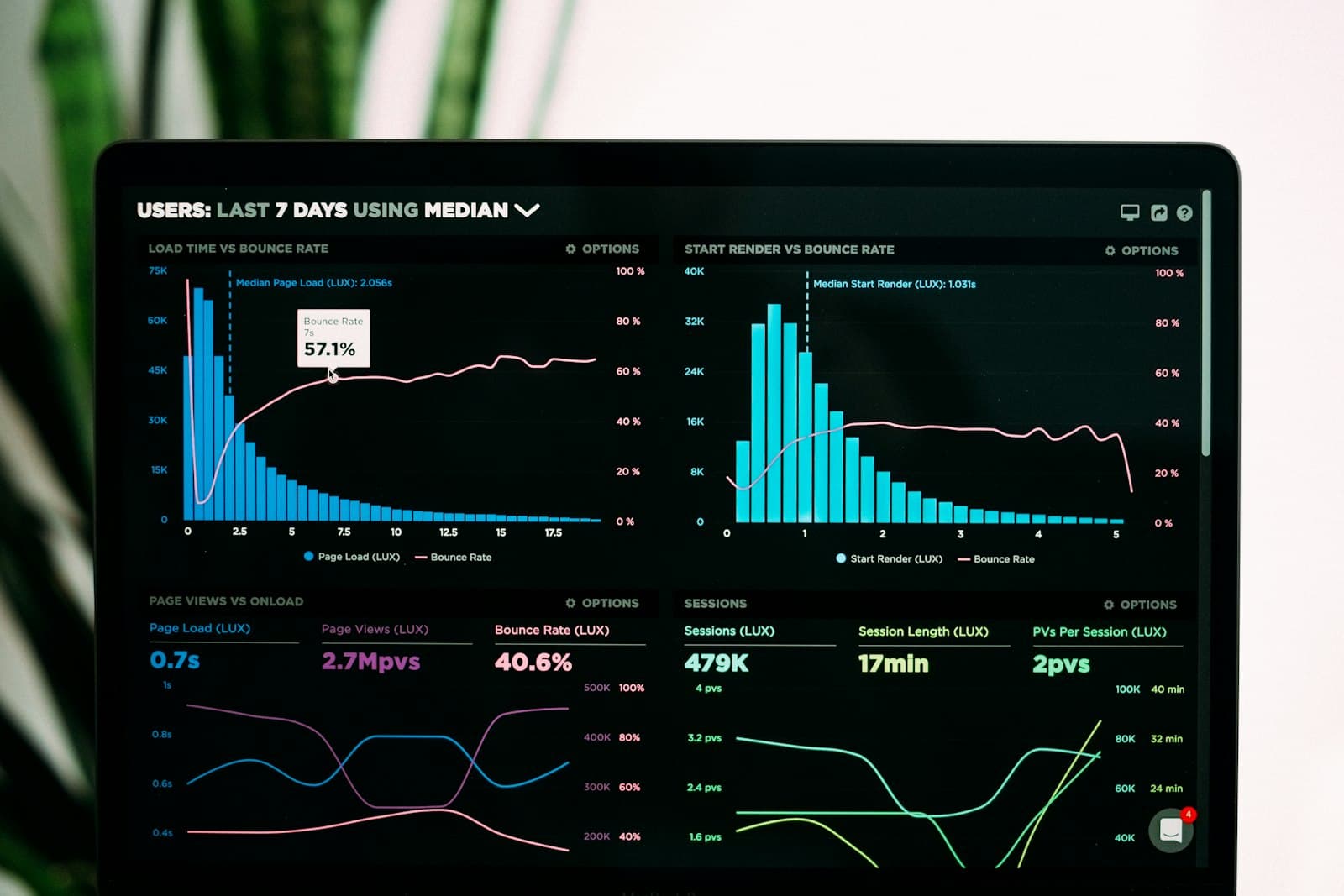
Sell-through, trade spend and margin usually arrive as a deck, weeks after the promotion ended. Here is how to get them every morning instead.
Ready when you are
Connect your retailer data, inboxes, reviews, and ad production into one operation you can actually see.
See ClickSide in action