
Increase your average repair order with Carfax, not the hard sell
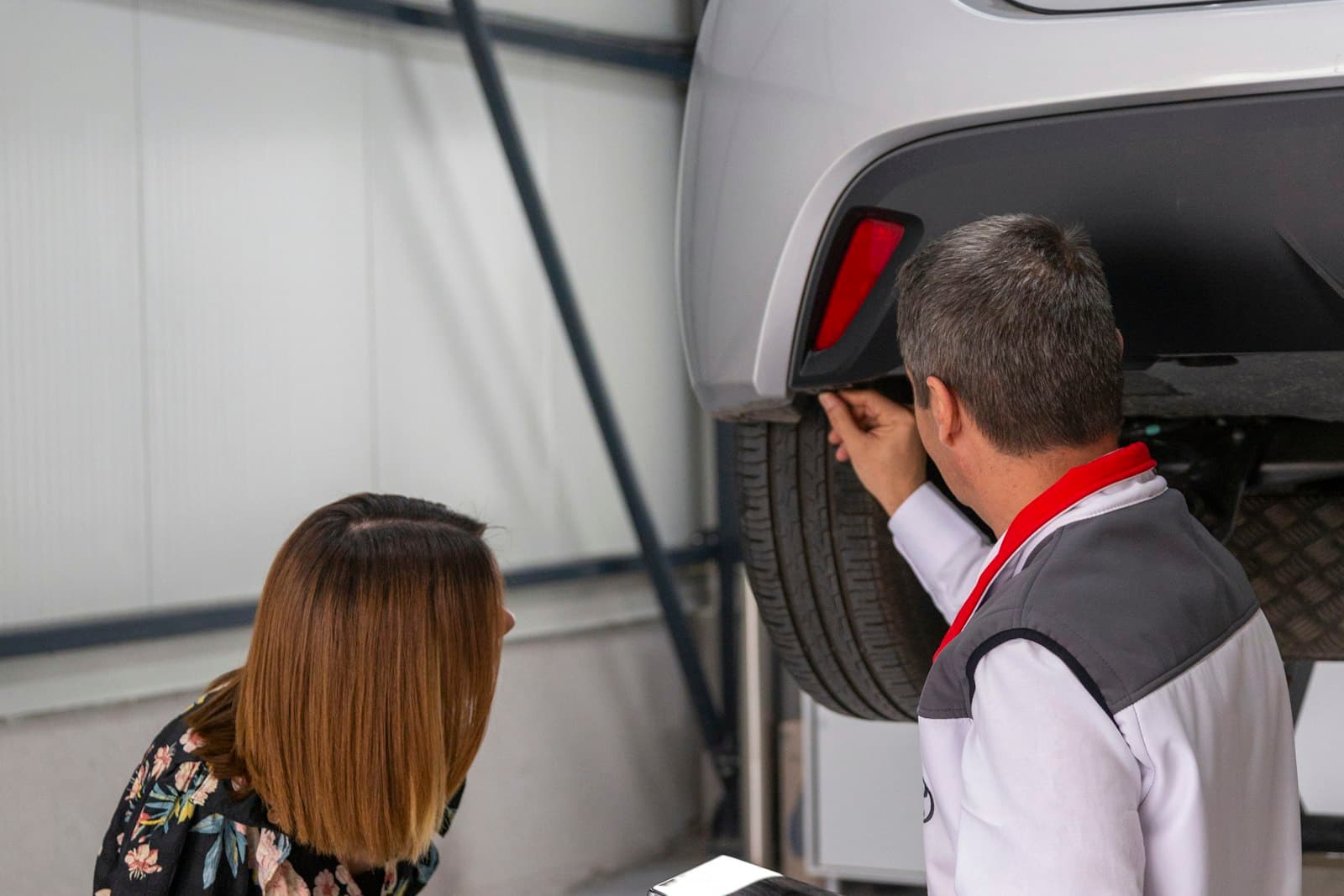
“Upselling” has a bad name in auto repair, and some of that is earned. Everyone has heard of the shop that tries to increase its average repair order by recommending a fuel system cleaning on every car that rolls in. Customers remember that, and they bring the suspicion with them to your counter.
But the opposite problem is just as real, and it costs your customers as well as you. The advisor writes up what the customer asked for, nobody checks what else the car is due for, and the customer drives off with brake fluid that hasn’t been touched in years. The fix isn’t a script. It’s knowing the car’s history before the customer reaches the counter.
What happens when the car pulls in
The camera on the lot reads the plate as the car arrives (we explain how in our post on camera bay intelligence). The plate is matched to the customer and any open repair order in your shop management system — Tekmetric, Shop-Ware, Mitchell 1, ISI LubeSoft and others — and the vehicle’s Carfax report is pulled at the same time.
Put the Carfax records next to your own service history and the mileage on today’s visit, and the system can lay out the car’s situation for the advisor in plain terms.
Due now, coming up, already done
- Due now — services the car has reached or passed by mileage or time, like the 60,000-mile service or a cabin filter that’s overdue.
- Coming up — what the car will be due for at its next visit or two, so it can be mentioned without being pushed.
- Already done — work the records show was done recently, at your shop or somewhere else.
That last list matters as much as the first. Recommending a transmission service the customer had done elsewhere three months ago is the fastest way to lose their trust. Seeing it in the history lets the advisor skip it — and sometimes say so, which customers notice.
Carfax isn’t a complete record of every car — not every shop reports its work — so treat it as one input, not the final word. Where the history is thin, the advisor and the tech’s inspection fill the gaps.
The advisor still decides
This is a list in front of the advisor, not a script read at the customer. The tech’s inspection outranks the schedule: if the records say brakes are due by mileage but the pads measure fine, you don’t sell brakes. The goal is that nothing genuinely due gets missed — not that everything on the list gets sold.
Asking for approval by text
Most customers aren’t standing at the counter when the inspection finishes. They’re in the waiting room, or at work, or they dropped the car and left. So the recommendation goes out by SMS: what was found, the photos from the inspection, the price, and a link to approve in one tap. The reply lands straight back on the repair order, and the tech can carry on.
Say a customer comes in for an oil change at 76,000 miles. The history shows the brakes haven’t been serviced since the car was new, and the inspection confirms the front pads are worn. The text might read: “Hi John — your inspection flagged the front brakes. Here are the photos and the price — approve in one tap.” He can look at the photos, approve it, or decline. Either way the decision is recorded.
A decline isn’t a dead end. Declined and coming-up items become reminders for a later visit — sent only to customers who have agreed to hear from you by text.
Why it increases the average repair order honestly
The ticket gets bigger because work that was genuinely due gets done, not because anyone was pressured. Customers can see the photos and the history for themselves. And the work you do now is work the car needed anyway, which means fewer surprise breakdowns and fewer calls that start with “you just had my car last month.”
Measuring what happens
Once recommendations go through a system, you can count them: what was recommended, what was approved, by which advisor, and what it did to average ticket size over time. Those numbers sit alongside your other daily reports and audits, so a dip shows up in days, not at the end of the quarter.
The short version
Pull the car’s history the moment it arrives, show the advisor what is due now and what is coming, let the inspection have the final say, and make approving easy. You can see how this fits into a full visit on our automotive page.
Common questions
How do I increase my average repair order without upselling?
Recommend what the car is genuinely due for, and nothing it isn’t. Pull its history when it arrives, show the advisor what is due now, what is coming up and what was already done, and let the tech’s inspection have the final say. Then make approving easy with photos and a one-tap link by text.
Where does the service history come from?
From the vehicle’s Carfax report, pulled the moment the plate is matched, alongside the service history already in your own system and the mileage on today’s visit. Carfax isn’t a complete record of every car, because not every shop reports its work. Where the history is thin, the advisor and the inspection fill the gaps.
Does it work with Tekmetric?
Yes. The plate is matched to the customer and any open repair order in your shop management system — Tekmetric, Shop-Ware, Mitchell 1, ISI LubeSoft and others. Approvals sent by text land straight back on the repair order.